
The Importance of Well Water Testing in Wisconsin
February 17, 2026
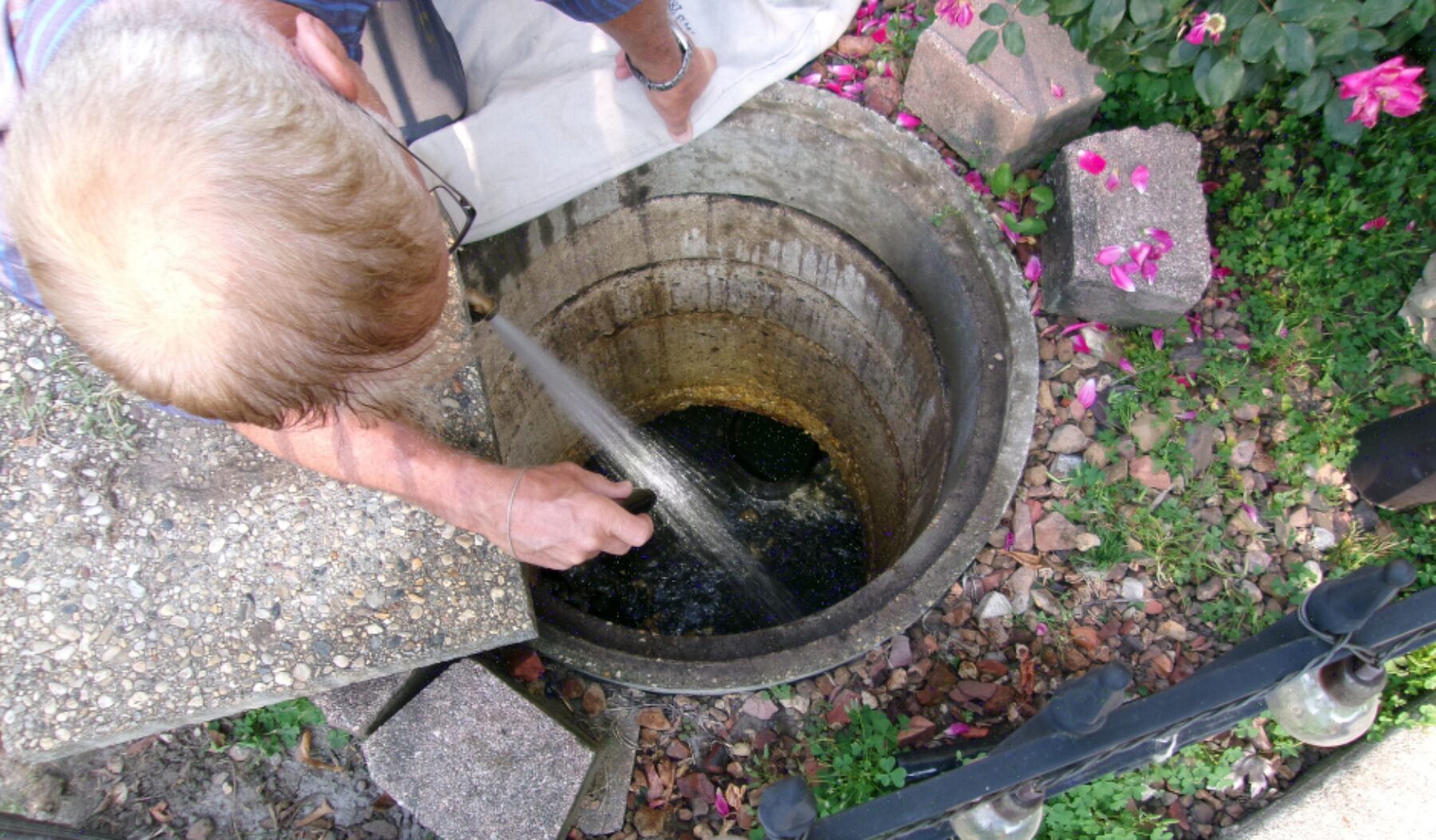
Well Water Testing
For many Wisconsin homeowners, private wells are the primary source of drinking water. Unlike municipal water systems, private wells are not regulated or routinely tested by the state, which means homeowners are responsible for ensuring their water is safe. Regular well water testing is the only way to identify potential contaminants that can affect health, plumbing systems, and overall water quality.
Why Well Water Testing Matters
Well water can change over time due to factors such as seasonal weather, groundwater movement, nearby land use, aging well components, or plumbing issues. Even clear, good-tasting water may contain harmful contaminants that are odorless, tasteless, and invisible.
Testing helps to:
- Protect your family’s health
- Detect contamination early
- Prevent damage to plumbing and appliances
- Ensure water is safe for drinking, cooking, and bathing
Common Well Water Contaminants in Wisconsin
Wisconsin’s geology and land use make certain contaminants more common in private wells, including:
- Bacteria (Total Coliform & E. coli): Often linked to surface water infiltration, septic systems, or well construction issues. E. coli can cause serious illness.
- Nitrates/Nitrites: Frequently found in agricultural areas due to fertilizer runoff or manure. High nitrate levels are especially dangerous for infants and pregnant women.
- Iron & Manganese: Common in Wisconsin groundwater. While not usually a health concern, they can stain fixtures, affect taste, and damage plumbing.
- Hard Water Minerals (Calcium & Magnesium): Extremely common statewide and a major cause of scale buildup in pipes and appliances.
- Lead: Can enter water through older plumbing materials or fixtures.
- Arsenic & Radium: Naturally occurring contaminants found in some areas of Wisconsin, particularly in deeper wells.
When Should Well Water Be Tested?
The Wisconsin Department of Health Services (DHS) and Department of Natural Resources (DNR) recommend testing:
- Annually for bacteria and nitrates
- Every 3–5 years for minerals, metals, and other contaminants
- Immediately if:
- Water changes in taste, color, or smell
- Someone in the household becomes ill without a clear cause
- Plumbing work or well repairs are performed
- Flooding occurs near the well
- You are buying or selling a home
Wisconsin-Specific Recommendations
Wisconsin health officials strongly encourage private well owners to maintain a routine testing schedule due to the state’s high number of private wells and variable groundwater conditions. In fact, Wisconsin has over 800,000 private wells, one of the highest totals in the country.
Local laboratories certified by the state can test well water samples, and results help determine whether treatment systems, well repairs, or maintenance are needed.
Peace of Mind Through Testing
Regular well water testing provides peace of mind, knowing your water supply is safe and reliable. It also allows homeowners to make informed decisions about water treatment, filtration, or system upgrades when necessary.
If you rely on a private well, testing isn’t just recommended — it’s an essential part of protecting your home, your plumbing, and your family’s health.
Take the Next Step
If it’s time to have your well water tested—or if you have concerns about your water quality—contact Martens Plumbing & Heating today. Their experienced team can help ensure your well water is safe, reliable, and ready for everyday use.